
The Energy of Connection — Why Caring for Others Can Recharge You
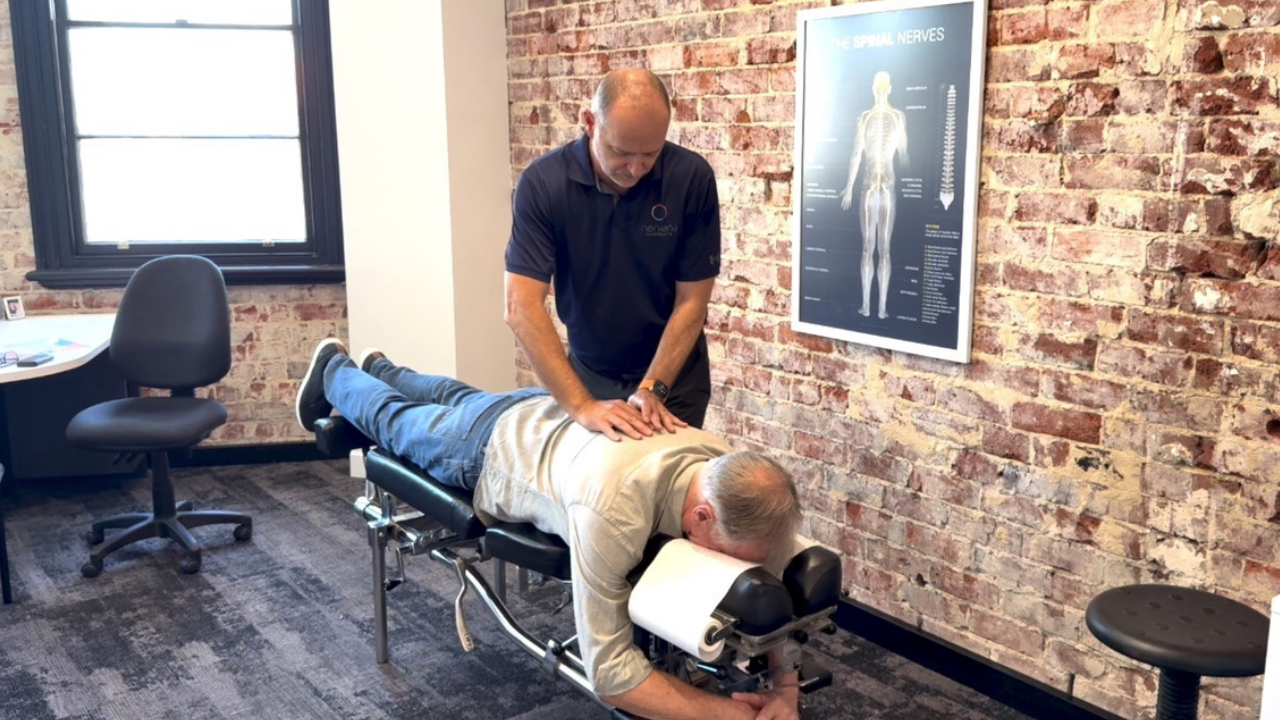
There's a particular kind of tired that comes with clinical work. You're on your feet for hours, making dozens of small decisions back to back, and by the end of a long day the fatigue is real and physical.
But ask any experienced chiropractor about their best days, and you'll often hear something that doesn't quite fit that picture: the busiest days are sometimes the ones that leave them feeling more energized, not less.
I was reminded of this recently talking with a chiropractor I coach who was locuming — stepping into an unfamiliar practice, seeing well over a hundred patients he had no history with, on tables that weren't his. He expected the volume and the lack of rapport to leave him drained. Instead, late into one of his hardest days, he was the one pushing to keep going.
It's not really a mystery once you look at it closely. There's a difference between the fatigue of effort and the fatigue of disconnection. Physically, you draw down energy every time you're on your feet caring for someone. But psychologically, something else is happening at the same time — call it the energy of connection. When you're genuinely present with someone, actually listening, actually caring, it doesn't just help them. It does something for you too.
I notice this in myself constantly. Some days I show up not at my best — a bit under the weather, a bit distracted by something going on at home. And without fail, about half an hour into caring for someone else, I feel better. Not because the problem at home went away, but because I was fully in the moment with another person, and that has a way of lifting you that rest alone doesn't.
It's the opposite of what you'd predict. Logically, giving energy away should deplete you. In practice — at least in this kind of work — the giving is often what restores it.
This isn't a reason to ignore real fatigue or push through burnout; that's a different problem and deserves its own conversation. But for the ordinary tiredness of a demanding week, it's worth noticing where your energy is actually going. If you leave a full day of patients feeling worse than when you started, it might not be the volume. It might be how present you were for the people in the chair.
Flow is probably the right word for it. When you're in flow — properly with someone, not just going through the motions — everything elevates. The patient benefits, obviously. But so do you.
